1. The Fundamental Technological Shift in Metal Cutting
For decades, CO2 lasers were the undisputed workhorses of industrial sheet metal fabrication. Operating with a gas mixture of carbon dioxide, helium, and nitrogen excited by radio frequency (RF) electrodes, CO2 lasers emit a beam at a wavelength of 10.6 micrometers (µm).
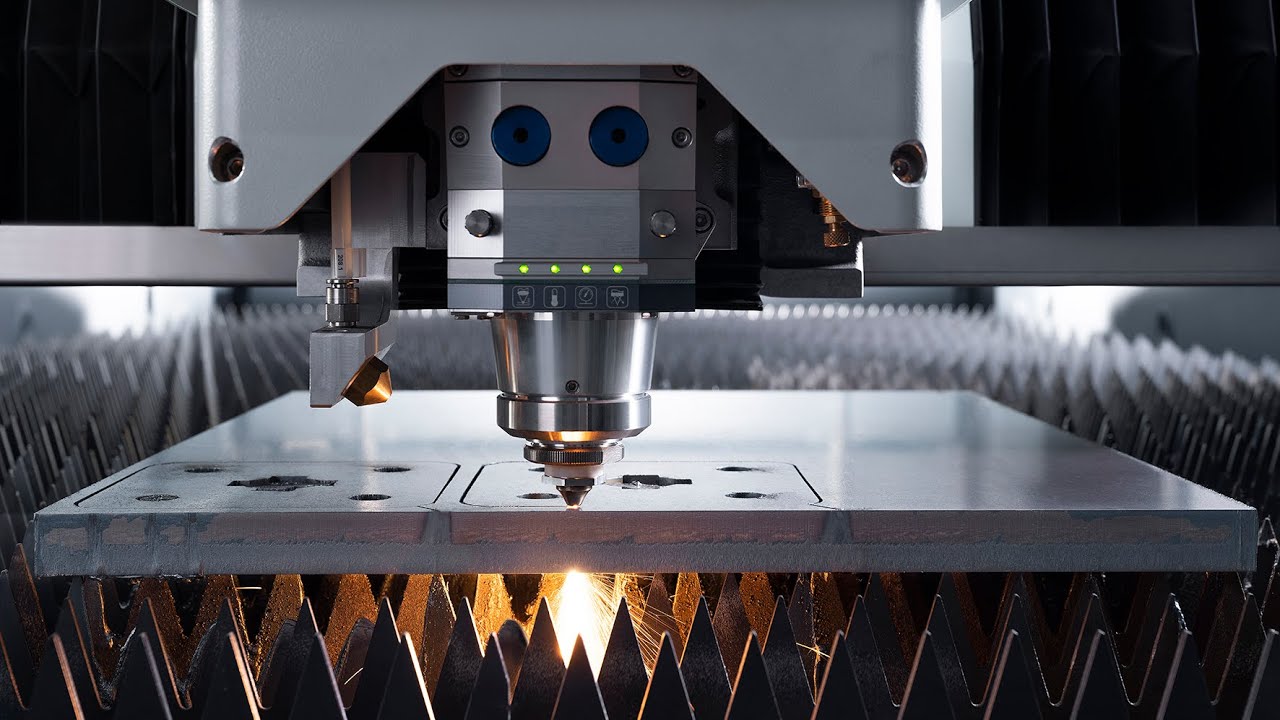
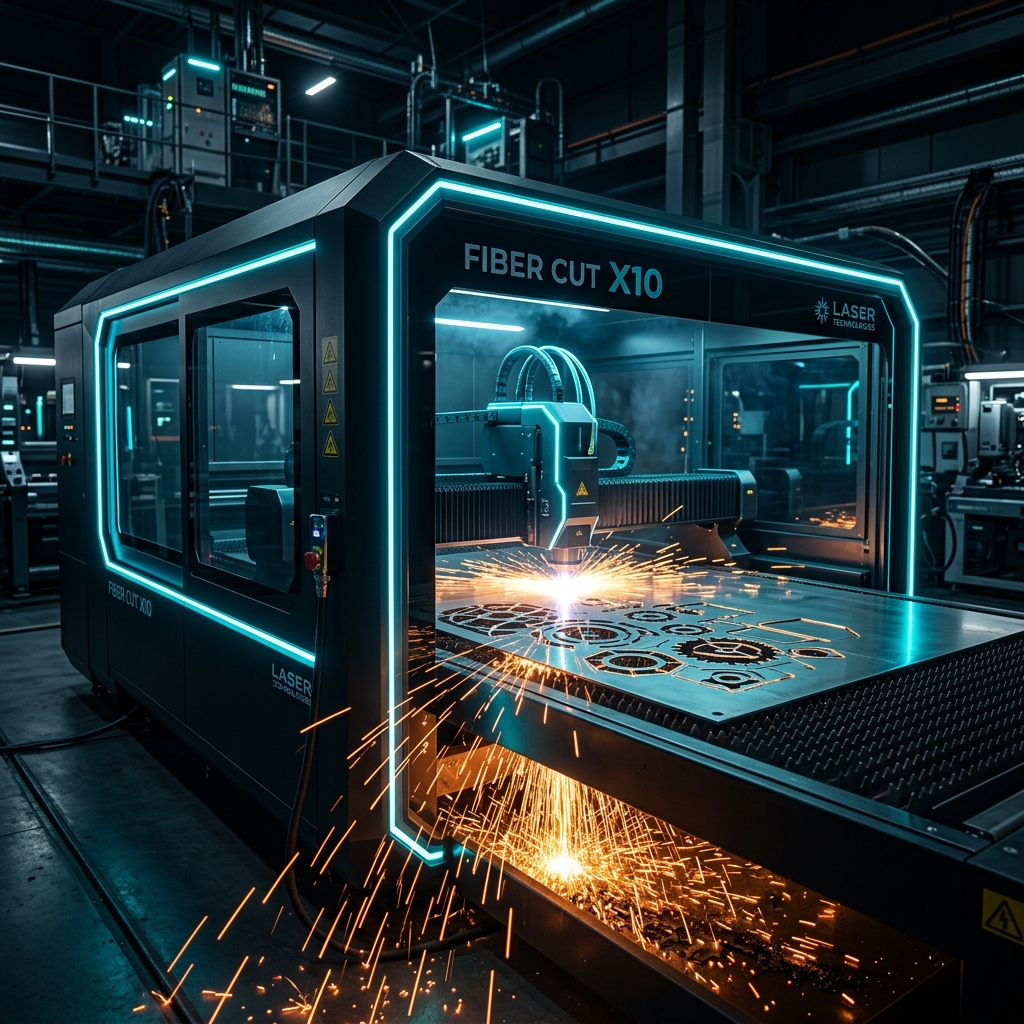
However, the emergence of Solid-State Fiber Lasers (operating at 1.06 µm) has revolutionized the metalworking sector. By generating the beam directly inside doped glass optical fibers and delivering it via flexible fiber optic cables, fiber lasers eliminate complex external mirrors, internal beam paths, and vacuum bellows completely.
2. Technical & Performance Comparison Matrix
Fiber lasers deliver 35% – 45% wall-plug electrical efficiency compared to only 8% – 12% in CO2 systems. Furthermore, cutting speed on thin-to-medium sheets is 3x to 5x faster, and reflective metals such as brass and copper can be processed safely with zero mirror damage risk.
3. Operating Cost & Electricity Breakdown
Running a standard 4kW fiber laser consumes approximately 13 kW/hr, compared to 55 kW/hr for a conventional 4kW CO2 laser including auxiliary turbo-blowers and water chillers. This yields direct annual electricity savings exceeding ₹16,00,000 per machine under two-shift operation.